
The Cutting Edge: Decoding Sewing Scissors Sizes for Your Projects

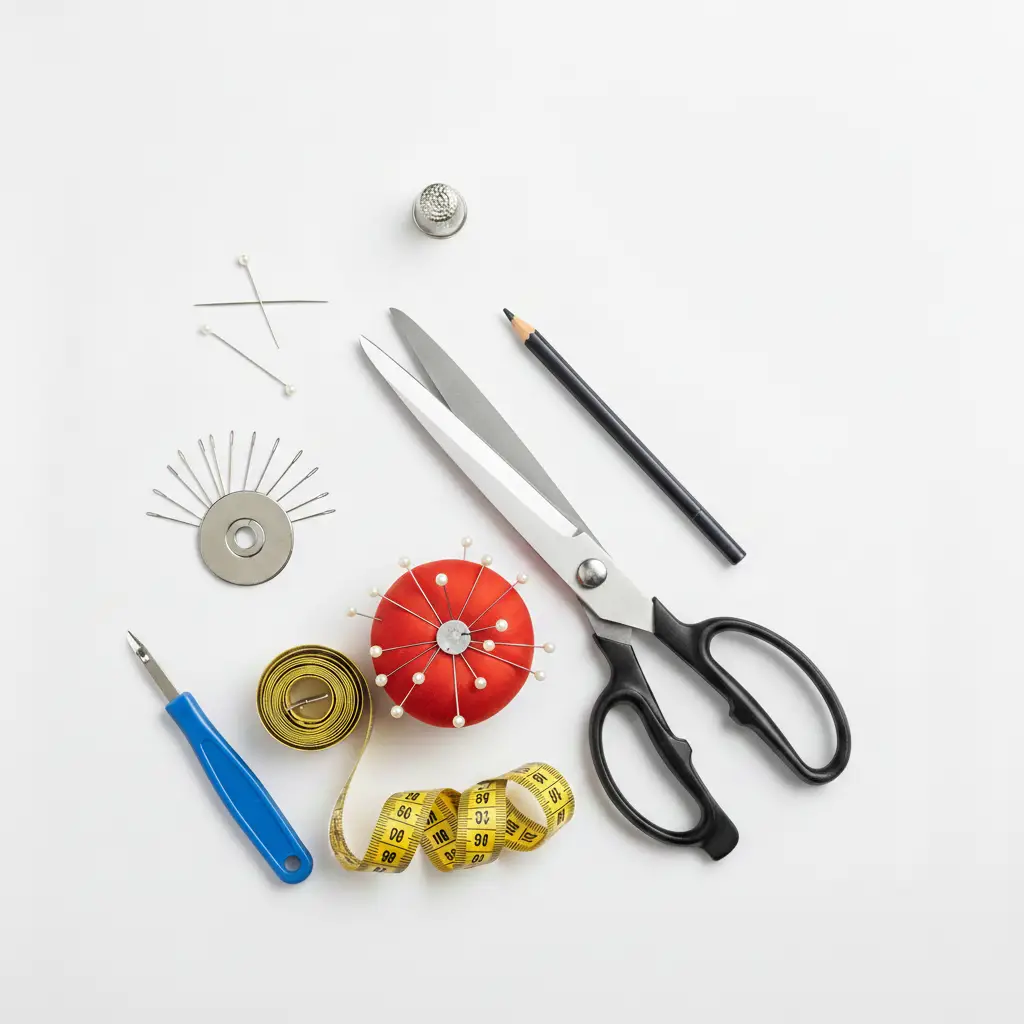
A reliable pair of tailoring shears is the foundation of any clean cut. When stocking your cutting bench, blade length directly governs your lever action, edge accuracy, and hand stamina.
Whether slicing through layers of wool brocade, clipping delicate neckline curves, or trimming pattern pieces to size, aligning your scissors to the specific task prevents frayed runs and uneven seam margins.
Why Does Blade Size Matter?
The standard size rating of sewing shears indicates total length from handle bow to tip. That dimension dictates three practical workshop mechanics:
- Precision & Corner Control: Shorter blades concentrate force directly at the point, letting you snip cleanly into tight corners, clip sleeve caps, and trim appliques without overshooting the line.
- Mechanical Cutting Leverage: Longer blade bodies amplify hand torque through the pivot screw, gliding smoothly through multi-layered seams, heavyweight denim, or thick batting.
- Fatigue Reduction: Using undersized scissors on large skirt panels forces dozens of short, choppy cuts that tire the hand. Longer blades produce continuous, uninterrupted strokes with minimal effort.

Sewing Scissors Categories and Applications
1. Detail & Embroidery Scissors (4 to 6 Inches)
Compact, razor-pointed shears built for agility and fine maneuverability where heavy leverage is unnecessary:
- Clipping staystitching lines, notches, and inside curves
- Trimming thread tails flush to delicate buttonholes
- Slitting bound buttonholes, collar stands, and cuffs
- Intricate sashiko, applique, and hand embroidery trims

2. Dressmaker & All-Purpose Shears (7 to 8 Inches)
The standard benchmark tool for every cutting table. These feature an angled handle offset that allows the bottom blade to rest flat against the surface during straight runs:
- Cutting apparel patterns out of lawn, quilting cotton, linen, and rayon
- Trimming seam allowances and grading collar facings
- Trimming continuous bias strips cleanly without lifting the yardage

3. Heavy-Duty Tailor’s Shears (9 to 12+ Inches)
Weighted, solid metal or forged steel blades designed specifically for high-resistance cutting:
- Long, sweeping cuts across extensive yardage like coats, cloaks, and circle skirts
- Slicing through dense twill, denim, upholstery canvas, and leather
- Batch-cutting stacked fabric pieces simultaneously without shifting

Choosing Your Core Set
- Match Hand Fit to Bow Diameter: Shears should rest firmly in the palm without pinching the thumb knuckle or requiring a white-knuckle grip.
- Select Ground vs. Serrated Blades: Micro-serrated blades grab slippery satins and silks to prevent pushing, while knife-edge ground blades provide the cleanest cuts on heavy cottons and wools.
- Dedicate Your Shears: Never use sewing shears on paper patterns or household wire. Even single cuts on wood-pulp fiber roll the fine honed apex of the blade.